
Planning on moving to Switzerland? Discover everything you need to know about moving from Australia to Switzerland including visas, cost of living and lifestyle insights.

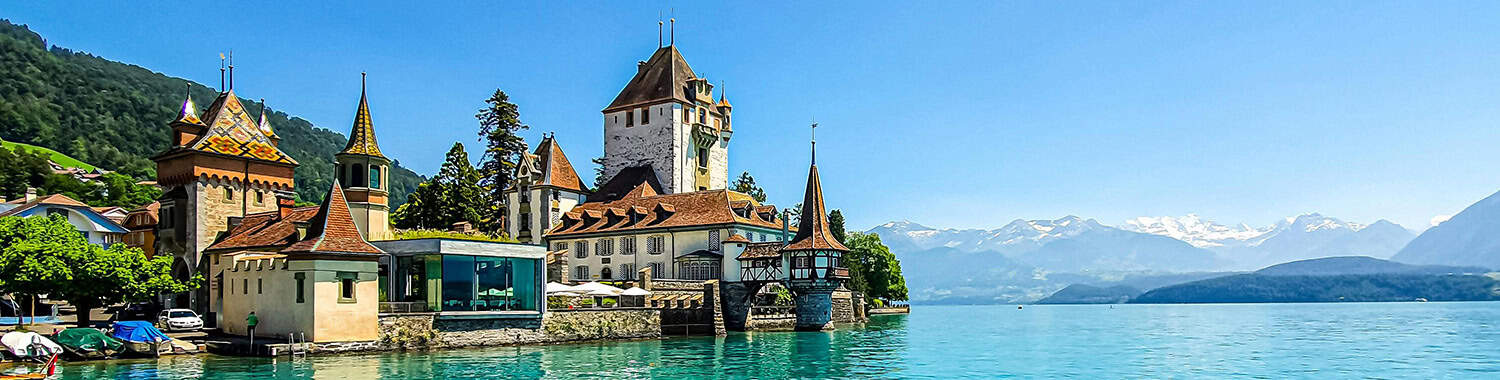
Switzerland is world-renowned for its stunning Alpine landscapes, efficient public services, high quality of life, and central European location. Whether you're moving for career advancement, lifestyle benefits, education, or to join a family member, relocating to Switzerland from Australia offers a blend of natural beauty and modern living. With OSS Worldwide Movers, your international transition can be smooth, reliable, and stress-free.
This in-depth guide walks you through everything you need to know for your 2025 move to Switzerland—from visa options and healthcare to housing, costs, and life as an expat.
Switzerland is a global hub for banking, finance, pharmaceuticals, biotech, and international diplomacy. Cities like Zurich, Geneva, and Basel are home to many multinational corporations and offer excellent career prospects for skilled professionals. The country also has one of the lowest unemployment rates in Europe and high average salaries.
Switzerland consistently ranks at the top for quality of life thanks to its safety, cleanliness, public transport, and access to nature. Residents enjoy a balanced work-life culture, low crime, and some of the best public services in the world.
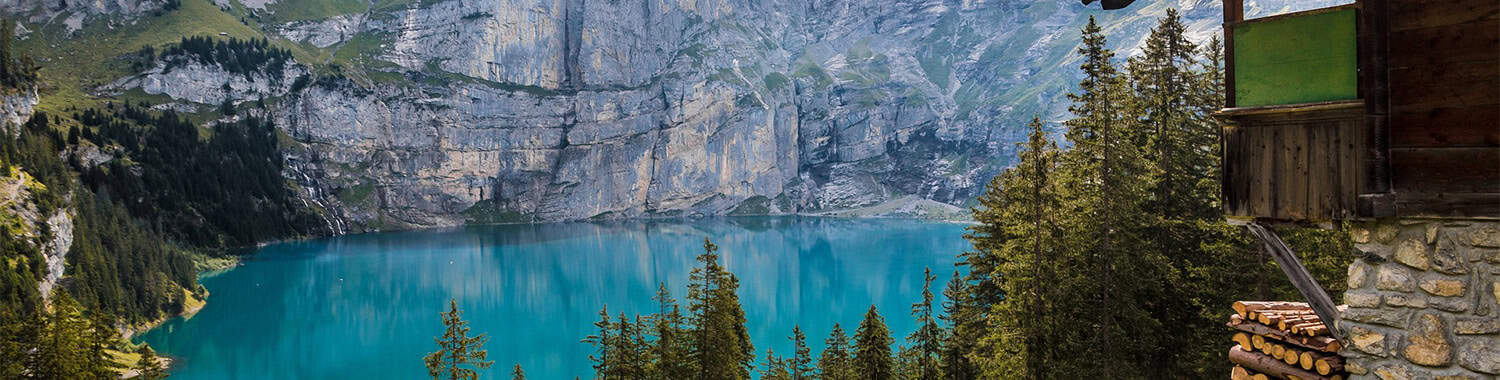
From skiing in the Alps to hiking pristine trails and swimming in mountain lakes, Switzerland is a paradise for nature lovers. Outdoor activities are accessible year-round, and the environment is well-preserved through sustainable living policies.
With four national languages—German, French, Italian, and Romansh—and a strong international presence, Switzerland is welcoming to expats. English is widely spoken in business and higher education, especially in urban centres.
Switzerland’s central location makes it easy to travel across Europe, with quick connections to France, Germany, Italy, and Austria by train or air.
Population: Approximately 8.8 million people.
Official Languages: German, French, Italian, Romansh (varies by region)
Currency: Swiss Franc (CHF)
Largest Cities: Zurich, Geneva, Basel, Bern, Lausanne
Climate: Four distinct seasons. Cold, snowy winters and warm, sunny summers.
Average Yearly Salary: CHF 80,000–120,000 per year depending on role and region ($148,000 - $ 222,000 AUD)
Government Type: Federal republic with a strong tradition of direct democracy
Accurate as of May 2025
Australians do not require a visa for tourist stays of up to 90 days within any 180-day period in the Schengen Area. For long-term stays or employment, a visa and residence permit are required.
Common Swiss visa types include:
Work Permit (L or B type): Requires a job offer from a Swiss employer and approval from cantonal and federal authorities
Student Visa: For those accepted into recognised Swiss universities or educational institutions
Family Reunification Visa: For spouses or dependents of Swiss residents
Self-Employment/Entrepreneur Visa: For those starting a business or working as a freelancer with sufficient funds
Once in Switzerland, all residents must register with their local commune (municipal authority) within 14 days of arrival.
Work permits are limited and subject to quotas, especially for non-EU citizens. Your Swiss employer must demonstrate that no EU or EFTA candidate could fill the position.
Switzerland is one of the most expensive countries in the world, but salaries and services are proportionately high.
Rent: CHF 1,200–2,500/month for a one-bedroom apartment
Groceries: CHF 400–600/month per person
Transport: CHF 70–120/month for public transport (discounted with a Half Fare Card or GA Travelcard)
Health Insurance: CHF 250–450/month per adult (mandatory)
Utilities & Internet: CHF 150–300/month
Zurich and Geneva are the most expensive cities, while Bern and Lausanne are slightly more affordable.
Switzerland’s education system is well-structured, high-performing, and regionally governed. Each of the 26 cantons oversees school curricula, language of instruction, school calendars, and education laws. Public schooling is free and compulsory for children from around age 4 until 15 or 16, with the system divided into three main stages:
Kindergarten (2 years): Typically begins at age 4 or 5.
Primary School (Primarstufe): 6 years of general education.
Lower Secondary School (Sekundarstufe I): 3 years of streamed education depending on academic performance. Students are placed in tracks that guide them toward vocational training or university.
Upper Secondary School (Sekundarstufe II) includes:
Vocational Education and Training (VET): Switzerland’s dual system combines classroom learning with apprenticeships, often leading to skilled, well-paid employment.
Academic Baccalaureate Schools (Gymnasium): Prepare students for university, culminating in the Matura qualification.
Expats often enrol children in international schools, especially in cities like Zurich, Geneva, and Basel. These institutions offer the International Baccalaureate (IB), British A-Levels, American high school diplomas, or French Baccalauréat. Fees typically range from CHF 20,000–35,000/year, and places can be competitive, so early applications are recommended.
Switzerland is home to globally ranked universities and technical institutions:
ETH Zurich (Swiss Federal Institute of Technology)
EPFL (École Polytechnique Fédérale de Lausanne)
University of Geneva
University of Zurich
Public university fees are low by international standards, generally CHF 500–1,500 per semester. Courses in English are increasingly common at the Master’s and PhD levels, though Bachelor’s programmes are usually taught in the regional language. Student visas require proof of enrolment, accommodation, and financial means (~CHF 21,000/year).
Switzerland’s healthcare system is among the best globally, offering world-class medical treatment, short waiting times, and high patient satisfaction. However, it is also one of the most expensive, and managing insurance is a key part of settling in.
All residents—including expats—must purchase a basic health insurance plan from a private insurer within three months of arrival. Insurance is individual (not family-based) and premiums vary by:
Canton of residence
Chosen deductible (Franchise)
Age and health status
Optional accident coverage (mandatory if unemployed)
Coverage includes:
General practitioner (GP) visits
Specialists (with referral)
Hospital stays in a shared room
Approved medication
Maternity care
Popular Insurance Providers:
CSS Versicherung
Helsana
Swica
Sanitas
Sympany
Supplemental Insurance (Zusatzversicherung) is optional and covers:
Private or semi-private hospital rooms
Alternative therapies (acupuncture, osteopathy)
Dental and optical care
Extended maternity services
Residents can switch providers annually. Websites like Comparis.ch help compare plans and costs.
Once insured, you’ll receive a health card used at appointments and pharmacies. Some policies require you to select a family doctor (Hausarztmodell), while others allow direct access to specialists.

Within 14 days of moving in, you must register your residence at the Einwohnerkontrolle (residents' office) or Kreisbüro (district office in cities). Required documents:
Valid passport
Proof of visa or work/study permit
Rental agreement
Employment contract or proof of study
Health insurance confirmation
You will receive:
A residence permit (L, B or C depending on visa type)
A Swiss social security number (AHV/AVS)
A tax identification number (Steuernummer)
A Swiss bank account is essential for rent, salary, and insurance payments. Required documents include:
Passport and visa
Proof of address
Residence permit or registration certificate
Major banks:
UBS, Credit Suisse, PostFinance, Raiffeisen
Digital banks: Zak (Bank Cler), Neon, Yuh
Accounts typically include IBAN access and e-banking services.
Finding housing is one of the biggest challenges. Prepare a rental dossier with:
Personal information sheet (Selbstauskunft)
Salary statement
Extract from debt register (Betreibungsauszug)
References from past landlords
Renters pay 1–3 months’ deposit and are often responsible for minor repairs. Tenancy contracts are binding, and terminating a lease may require 3 months’ notice and a replacement tenant.
Internet, TV, and mobile plans can be bundled. Most providers offer contracts with 12 to 24-month terms:
Swisscom
Sunrise
Salt
Electricity is typically billed separately via the local utility. Heating (often central) and water may be included in Nebenkosten (additional rental costs).
Each commune manages its own recycling schedule. Garbage must be placed in official taxed rubbish bags (Gebührensäcke). Recycling includes:
Paper/cardboard (separate)
PET bottles
Aluminium/tin cans
Glass (sorted by colour)
Non-compliance can result in fines.
SBB CFF FFS: National railway operator
Regional and city networks: Trams, buses, and local trains
Purchase a Swiss Half Fare Card (CHF 185/year) for 50% off public transport. The GA Travelcard provides unlimited travel but is more expensive. Apps like SBB Mobile, Fairtiq, and ZVV are invaluable.
Driving requires exchanging your Australian licence within 12 months of arrival (in most cantons). An eye test and theory exam may be required.
Swiss work culture is professional and punctual, with a focus on quality and efficiency. The average workweek is around 41 hours, and most employees receive 4–5 weeks of paid leave.
Specialised recruitment agencies (e.g. Adecco, Michael Page, Randstad) can assist with expat placements, particularly in finance, IT, and healthcare.
General job board with Swiss-wide listings
JobScout24.ch: Broad selection of job ads by region and sector
Indeed.ch and Glassdoor.ch: International job platforms
LinkedIn Switzerland: Popular for professional networking
Company websites: Many companies post roles on their own career pages
Switzerland’s labour market is stable, highly skilled, and competitive. Key sectors include finance, pharmaceuticals, IT, hospitality, engineering, education, and international organisations (particularly in Geneva). Salaries are among the highest in the world, and working conditions are excellent, with strong labour laws protecting employee rights.
Australians require a job offer before applying for a work permit. Swiss employers must prove they could not find a suitable candidate from the EU or EFTA. Work permits fall under the following categories:
L Permit: Short-term residence, valid for up to 12 months
B Permit: Initial residence permit, renewable annually
C Permit: Permanent residence after five to ten years
Permits are subject to quotas and approval by both cantonal and federal authorities. Self-employment is possible but requires a detailed business plan and proof of financial viability.
Swiss workplaces value punctuality, professionalism, and efficiency. Hierarchies are typically respected, and meetings tend to be structured and purposeful. Multilingualism is common in the workplace, and while many offices operate in English, knowing the local language is a major advantage.
Median full-time salaries range from CHF 70,000–120,000/year, depending on profession and location. Social contributions (for pension, unemployment, accident, and disability insurance) are deducted from gross salary.
Most employees receive:
4–5 weeks of paid annual leave
13th-month salary (a common bonus paid at year’s end)
Pension contributions to the Swiss 3-pillar system
Income tax is levied at the federal, cantonal, and municipal levels. Some cantons are more tax-friendly than others (e.g., Zug, Schwyz). Expats may be taxed at source, and it’s advisable to consult a tax advisor for your first declaration.
Switzerland’s culture may feel formal and reserved compared to Australia’s laid-back, sociable lifestyle. Social circles can be closed, especially outside of workplace relationships. Joining community groups, volunteering, or enrolling in local classes can ease integration.
Each region has a dominant language:
German: Zurich, Bern, Basel (Swiss-German dialects common)
French: Geneva, Lausanne
Italian: Ticino
While English is spoken in business and tourism, dealing with local authorities, healthcare, or rental agencies may require functional knowledge of the local language.
Swiss bureaucracy is orderly but document-heavy. Processes like obtaining a residence permit, health insurance, or a rental contract often involve multiple forms and require precise documentation. Timely Anmeldung (registration), renewals, and tax filings are essential to remain compliant.
Switzerland’s high salaries are offset by high expenses. Daily items such as groceries, personal care, restaurant meals, and clothing can be significantly more expensive than in Australia. Planning and budgeting are crucial, especially in the first few months.
In popular cities, the housing market is tight. Tenants often compete for a single flat, and viewings can be highly selective. Building a Swiss-style rental dossier and being flexible on location can increase your chances.
Switzerland’s winters are beautiful but long. Snow, early sunsets, and grey skies can impact mood and energy. Seasonal affective disorder (SAD) is not uncommon; light therapy, outdoor activity, and vitamin D supplements can help.
With decades of international moving expertise, OSS World Wide Movers makes your move to Switzerland seamless and stress-free. We understand the logistics, documentation, and timing required for a successful move.
Our relocation services include:
Professional packing and shipping from Australia to Switzerland
Shared or full-container load options
Door-to-door delivery with customs handling
Secure storage solutions in both countries
Expert support for insurance and documentation
We also support you with timelines, local knowledge, and practical advice, from managing customs declarations to booking elevator access in Swiss apartment blocks. With over 50 years of experience, our team provides expert coordination, personalised service, and peace of mind.
With offices in New South Wales, Victoria, and Queensland, OSS is ready to support your journey wherever you’re starting from.
Sydney - (02) 8825 9300
Melbourne - (03) 9799 5800
Brisbane - (07) 3348 2500
ABN 47 000 776 750
© OSS World Wide Movers P/L. All rights reserved | Website by Image Traders | Software by IcebergCMS