
Discover the top global relocation resources for Australians moving overseas, including shipping options, biosecurity tips, and expert guidance for a smooth move.
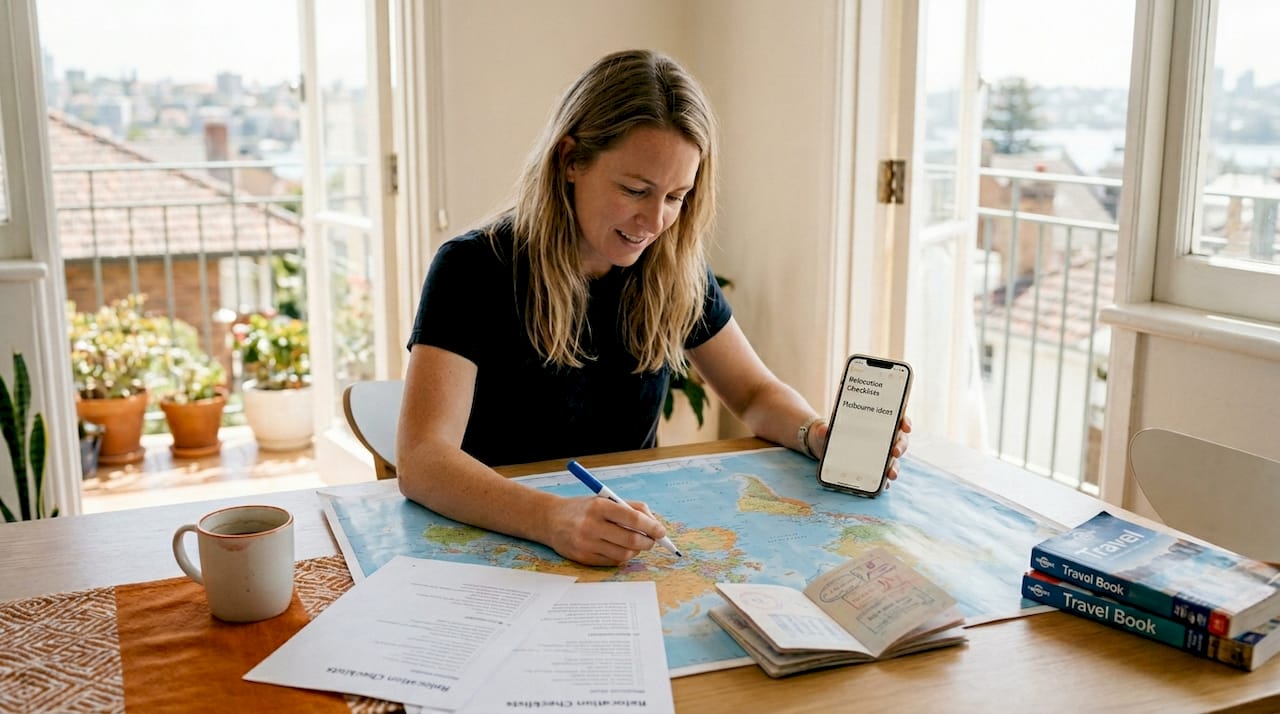
Moving overseas from Australia is one of the biggest logistical undertakings you’ll ever face. Between organising shipping, navigating biosecurity rules, and settling into a new country, the sheer number of decisions can feel overwhelming. Most people underestimate how much preparation is actually required, and that gap between expectation and reality is where costly delays and stressful surprises tend to appear. This guide cuts through the noise, giving you a clear framework for finding reliable global relocation resources, comparing your shipping options, and making confident, well-informed decisions before you leave Australian shores.
| Point | Details |
|---|---|
| Sea freight is best value | Shipping your personal effects via sea freight is the most economical option for most international relocations from Australia. |
| Preparation prevents delays | Preparing thoroughly and cleaning goods carefully reduces risk of border delays and extra charges. |
| Choose vetted providers | Providers affiliated with IAM or FIDI and backed by strong customer reviews are proven, reliable options. |
| Support smooths the journey | Specialist packing, relocation support services, and peer forums can ease the move and reduce stress. |
With so many international moving companies, online tools, and relocation advisers competing for your attention, knowing how to filter the good from the unreliable is essential. Not every provider is equal, and the wrong choice can cost you far more than money.
Here are the key criteria to apply when evaluating any global relocation resource:
One thing worth knowing: delays often stem from poor preparation on the customer’s side, not from the carrier. Even highly rated providers can’t compensate for missing paperwork or uncleaned items flagged at biosecurity.
Pro Tip: Read reviews from the past six months specifically. Look for comments about communication during problems, not just smooth moves. That’s where you’ll see a provider’s true character.
Once you know what to look for, it’s time to understand your actual shipping options. The method you choose will depend on how much you’re sending, how urgently you need it, and your budget.
Sea freight is the most cost-effective method for shipping household goods from Australia overseas. Air freight suits only small, urgent items and is rarely practical for full household moves.
Here’s a quick comparison to help you decide:
| Factor | Sea freight | Air freight |
|---|---|---|
| Cost | Low to moderate | High |
| Transit time | 3 to 10 weeks | 3 to 10 days |
| Capacity | Full household | Small parcels only |
| Best for | Furniture, appliances, boxes | Documents, valuables, essentials |
For sea freight, you’ll typically choose between a 20ft container (suits a one to two bedroom home) or a 40ft container (suits larger households). If your volume doesn’t fill a full container, a shared container option called LCL (Less than Container Load) lets you pay only for the space you use. You can explore sea freight options in more detail to find the right fit for your volume.
When booking a provider, look for these essentials:
For a broader overview of how international shipping works, it helps to understand the full journey your goods take from door to door.
Pro Tip: Book your shipping at least two to four months before your departure date. Preferred sail dates fill quickly, especially during peak relocation periods like January and July.
For practical shipping tips tailored to Australians relocating overseas, a specialist resource will always outperform a generic moving guide.
All the logistics planning in the world won’t help if your goods are held up at the border. Customs and biosecurity compliance is where many relocations go sideways, and it’s almost always avoidable.
Australia’s biosecurity and customs rules are among the strictest in the world, and they apply to what you’re sending out as much as what comes in. Destination countries have their own requirements on top of that.
Important: Strict cleaning is required for biosecurity compliance. No soil, bark, food, or plant material is permitted. Outdoor gear and camping equipment are particularly high-risk and are frequently inspected. Contaminated items can be destroyed without compensation.
Here’s a step-by-step approach to preparing your goods for a smooth clearance:
Items to avoid packing entirely:
The Australian Department of Agriculture, Fisheries and Forestry publishes up-to-date export and biosecurity guidance on their official website. Bookmark it and check it closer to your move date, as rules can change.
Packing and compliance get your goods moving. But a successful relocation involves much more than boxes and paperwork. The right support network can make the difference between a stressful experience and a smooth transition.
Relocation support services range from full-service providers who manage everything on your behalf, to specialist advisers who focus on specific aspects of your move.

Here’s how the main options compare:
| Option | Best for | Limitations |
|---|---|---|
| General shipping provider | Standard household moves | Limited destination support |
| Specialist relocation adviser | Complex or high-value moves | Higher cost |
| Expat forums and communities | Peer advice and local tips | Unverified information |
IAM and FIDI member firms consistently receive stronger reviews for reliability and issue resolution compared to non-accredited operators. That accreditation matters most when something goes wrong.
For insurance, don’t assume your home and contents policy covers goods in transit internationally. Dedicated shipping insurance for marine transit is a separate product and is strongly worth considering. Check the policy for full replacement value versus depreciated value cover.
For peer advice, Australian expat communities on platforms like Facebook Groups and forums such as Expat Forum for People Moving Abroad offer real-world insights from people who’ve made the same journey. Just verify any advice against official sources before acting on it.
For specialist needs, such as shipping a piano overseas or moving antiques and artwork, a general provider may not have the equipment or expertise required. Seek out specialists for these items specifically.
With your shortlist of resources ready, the final step is turning research into action. A clear decision-making framework prevents the paralysis that comes from having too many options.
Follow this sequence:
Industry review data shows that over 75% of complaints relate to overlooked compliance or inadequate preparation, not provider performance. That’s a striking figure, and it puts the responsibility squarely on the mover to prepare thoroughly.
For more relocation tips covering the final weeks before departure, a specialist checklist will help you avoid the most common oversights.
Even the most trusted providers cannot fix last-minute mistakes. A missed cleaning requirement or an incomplete packing declaration can hold your entire shipment, regardless of which company you’ve booked.
Looking back over decades of international relocations, one pattern stands out clearly. The moves that go wrong almost never fail because of the shipping company. They fail because of what happened before the goods were collected.
We see it consistently: a customer books a well-reviewed, accredited provider, and the schedule still gets derailed. Not because of the vessel or the agent, but because a bike with mud on the tyres triggered a biosecurity hold, or a packing list used vague descriptions that customs queried on arrival. Delays commonly occur due to insufficient preparation, not provider choice.
The uncomfortable truth is that your household moving checklist matters more than your provider choice. A thorough checklist, started early, consistently produces on-time, stress-free moves. Provider selection matters, but preparation is the real variable.
Pro Tip: Start your compliance and cleaning preparation at least ten weeks before your shipping date. That gives you time to identify problems and fix them without pressure.
Knowing what to look for and how to prepare puts you well ahead of most people planning an international move from Australia. The next step is connecting with providers and resources that match what you’ve learnt here. OSS World Wide Movers offers specialist international freight shipping backed by more than five decades of exclusive focus on personal effects and household goods. You can also explore dedicated international shipping insurance to protect your goods in transit, and review the full range of relocation support options to find the level of assistance that suits your move. Request a quote today and get expert guidance from a team that specialises in exactly this.
Sea freight in 20ft or 40ft containers is usually the most cost-effective method for moving household goods overseas. Air freight is only practical for small, urgent shipments.
Remove all soil, food, bark, and plant material from every item, and pay particular attention to outdoor and camping gear, which is often strictly inspected and can be destroyed if contaminated.
Delays are usually caused by poor preparation such as missed cleaning requirements or incomplete paperwork, rather than errors made by the shipping company.
The Australian Department of Agriculture, Fisheries and Forestry website publishes current export and biosecurity rules. Check it well before your move date, as requirements are updated regularly.
Sydney - (02) 8825 9300
Melbourne - (03) 9799 5800
Brisbane - (07) 3348 2500
ABN 47 000 776 750
© OSS World Wide Movers P/L. All rights reserved | Website by Image Traders | Software by IcebergCMS